


Deploying enterprise-grade hardware acceleration suites for machine learning performance requires an exhaustive assessment of processing architectures, high-bandwidth memory allocations, low-latency interconnects, and localized model execution frameworks across distributed corporate environments. Modern forward-thinking enterprises rely heavily on dedicated local hardware accelerators to process data-intensive workloads closer to operational touchpoints, cutting down network bottlenecks and optimizing computational throughput across corporate facilities. Selecting the right enterprise acceleration platform allows technology leadership to safeguard high-value algorithms while maintaining uninterrupted operational performance for software engineering teams and automated systems.
Enterprise technology architects must examine how potential software acceleration platforms manage memory bandwidth bottlenecks, parallel execution pipelines, multi-tenant resource allocations, and specialized matrix calculation units across diverse processing hardware. Investing in premium hardware execution suites empowers commercial organizations to process complex predictive models, lower operational latency, and achieve reliable computational efficiency across competitive global markets.
Evaluating these advanced hardware performance platforms involves analyzing underlying compiler optimizations, dynamic workload distribution, real-time power telemetry, and silicon-level hardware integration. Industry-leading enterprises prioritize software solutions that deliver modular developer APIs, seamless integration with existing data pipelines, automated workload balancing, and dedicated technical support resources.
Navigating the dynamic landscape of local processing platforms presents a strategic challenge for IT decision-makers seeking system stability, uncompromised performance metrics, and maximum return on infrastructure investments. Modern enterprise leadership recognizes that deploying centralized, high-performance hardware acceleration software directly protects operational output, strengthens system reliability, and accelerates digital transformation within demanding commercial markets. Systematic evaluation of vendor capability guarantees that enterprise software procurement aligns perfectly with long-term computational strategy and overarching business growth targets.
Deploying specialized local hardware acceleration software has transformed how modern organizations manage, process, and optimize complex computational tasks across physical corporate infrastructure. Organizations no longer depend solely on remote cloud servers, which often introduce network latency and incur heavy recurring operational costs. Instead, corporate leadership deploys dedicated local hardware management platforms that inspect, balance, and execute intensive numerical workloads directly on local enterprise silicon.
Selecting the ideal hardware optimization framework represents a crucial strategic investment that directly impacts operational speed, system reliability, and long-term hardware expenditure. Technical leadership must carefully evaluate immediate performance enhancements alongside scalable architecture features when committing capital to enterprise computing platforms.
Standards For Hardware Acceleration Software

Evaluating specialized software platforms for local hardware acceleration requires analyzing fundamental operational capabilities across engineering, IT, and operational departments. Enterprise leaders must look beyond basic processing benchmarks to assess memory management, hardware utilization efficiency, and automated resource scheduling.
A. Dedicated Memory Bandwidth Optimization
Enterprise hardware platforms must manage memory allocation efficiently across local high-bandwidth graphics units and system memory buses. Software solutions continuously streamline cache usage and eliminate processing bottlenecks to maintain peak operational throughput. Optimizing memory access paths prevents hardware stalling and ensures continuous data supply to processing cores.
B. Automated Workload Distribution And Parallel Processing
Modern acceleration suites leverage intelligent scheduling algorithms to distribute heavy parallel workloads across multiple local processing units dynamically. High-performance software automatically balances compute tasks to prevent individual hardware components from overheating or throttling performance. Intelligent resource distribution maximizes hardware lifespan while maintaining consistent operational speed for complex calculations.
C. Micro-Architecture Compiler Customization
Advanced hardware management software incorporates specialized compilers tailored to extract maximum efficiency from specific silicon instruction sets. Leading platforms recompile computational graphs to utilize native matrix execution units and vectorized processing pipelines efficiently. Utilizing hardware-native instruction sets accelerates execution speed without requiring manual code adjustments from software engineering teams.
D. Centralized Hardware Telemetry And Performance Monitoring
Large corporate environments require centralized management consoles to monitor temperature, power consumption, and clock speeds across distributed hardware arrays. Top-tier acceleration suites feature single-pane-of-glass dashboards, dynamic thermal logging, and detailed operational metrics for systems administrators. Centralized telemetry simplifies infrastructure management while preventing unexpected system failures across remote facilities.
E. Dynamic Quantization And Precision Scaling
Optimizing local processing performance requires adjusting numerical precision to match specific task requirements without sacrificing output accuracy. Advanced software frameworks enable automated precision scaling, shifting seamlessly between floating-point models to conserve processing bandwidth. Dynamic precision adjustments double execution throughput while reducing power consumption during continuous workload processing.
F. Multi-Tenant Hardware Virtualization Controls
Corporate technology teams require granular control over how local hardware accelerators share resources among multiple concurrently running internal applications. Industry-leading acceleration platforms provide containerized hardware isolation, ensuring that one intensive application does not starve adjacent critical processes. Robust virtualization guarantees predictable application performance across shared enterprise computing hardware.
G. Silicon-Level Thermal And Power Throttling Prevention
Modern processing hardware generates substantial thermal output that requires active software management to sustain peak clock speeds during long operations. High-grade management suites adjust fan curves, monitor core temperatures, and regulate power states dynamically to maintain optimal thermal conditions. Preventing thermal throttling preserves peak computing speeds and protects expensive hardware investments from heat damage.
Premium Enterprise Hardware Acceleration Platforms
The commercial market for local hardware optimization software features several specialized platforms designed to meet distinct operational requirements and infrastructure scales. Each software solution provides unique technical capabilities engineered to solve specific execution challenges across distributed corporate enterprise environments.
A. Enterprise Compute Matrix Guardian
Enterprise Compute Matrix Guardian offers comprehensive silicon management combined with centralized workload scheduling tailored specifically for multi-node enterprise deployments. This software suite provides real-time resource telemetry and automated load-balancing features that protect computing pipelines across remote facilities. Corporate technology leadership deploys this engine to maintain uniform processing performance across all technical departments.
B. Distributed Acceleration Engine Pro
Distributed Acceleration Engine Pro integrates low-level driver optimizations directly into local workstations and enterprise rack systems. This software platform enables technical specialists to execute parallel calculations efficiently without routing processing requests through external cloud services. Regional engineering teams maintain secure, high-speed computational capacity while reducing external bandwidth costs significantly.
C. Industrial Processing Acceleration Suite
Industrial Processing Acceleration Suite specializes in optimizing embedded processing units, edge controllers, and automated industrial hardware arrays. Manufacturing organizations deploy this specialized software package to process sensory feedback loops, monitor machine metrics, and execute operational commands locally. Processing industrial data locally protects real-time production pipelines and eliminates destructive operational delays.
D. Corporate Silicon Controller Max
Corporate Silicon Controller Max focuses on central driver management, allowing IT administrators to roll out firmware updates and system patches across global hardware nodes instantly. The system features automated configuration tools that scan local processing units for driver conflicts and performance bottlenecks continuously. Centralized management guarantees that every connected hardware component functions at peak capacity.
E. Dynamic Matrix Optimizer Platform
Dynamic Matrix Optimizer Platform delivers high-speed hardware acceleration designed specifically for bandwidth-intensive data processing workflows. Operations teams utilize this software system to execute high-volume data transformations, financial models, and mathematical simulations locally. Automated execution optimization speeds up data processing without causing hardware instability or application crashes.
F. High-Throughput Processing Studio
High-Throughput Processing Studio delivers low-level kernel optimizations and vectorized memory routing tailored for low-resource hardware setups. Its advanced processing engine streamlines execution trees to eliminate redundant processing calls and memory access operations. Corporate enterprises rely on this lightweight software framework to maximize output from existing hardware assets.
G. Automated System Node Recovery Manager
Automated System Node Recovery Manager restores hardware functionality by clearing locked execution queues and resetting non-responsive accelerator drivers automatically. IT teams integrate this software to maintain continuous system availability, resolving hardware lockups without requiring physical rebooting by site technicians. Automated driver recovery drastically cuts downtime and maintains operational momentum across enterprise facilities.
H. Local Compute Container Engine
Local Compute Container Engine provides direct hardware pass-through capabilities, resource allocation controls, and driver isolation for containerized software workloads. This specialized tool enables engineering teams to run high-performance applications inside light virtual environments safely without sacrificing hardware speed. Virtualized access allows developers to deploy complex software environments quickly across varied hardware configurations.
I. Global Enterprise Cluster Manager
Global Enterprise Cluster Manager automates the pooling and allocation of local accelerator units across distributed office networks. Enterprise organizations deploy this platform to aggregate unused processing capacity from networked workstations into a unified computing resource. Capacity pooling maximizes hardware investment returns while providing massive compute power for periodic engineering tasks.
J. Interactive Hardware Analytics Platform
Interactive Hardware Analytics Platform visualizes processing loads, power efficiency ratings, and component temperatures across corporate data centers. System administrators and facility managers use this software platform to correlate energy costs with computational output. Data visualization allows teams to optimize server placement and cooling strategies to lower operational overhead.
K. Embedded Execution Acceleration Shield
Embedded Execution Acceleration Shield allows software development teams to compile computational functions directly into native silicon instructions during application packaging. Engineering teams use this software framework during design stages to ensure custom software executes efficiently on diverse target hardware. Integrated compiler protection removes performance bottlenecks before wide-scale corporate deployment occurs.
L. Commercial Hardware Compliance Studio
Commercial Hardware Compliance Studio automates resource usage logging, hardware allocation tracking, and licensing compliance across enterprise computing systems. Compliance officers and IT leads utilize this software tool to verify that hardware allocations conform strictly to corporate operational guidelines. Automated usage logging simplifies internal asset management and ensures efficient hardware distribution across business units.
Strategic Enterprise Hardware Deployment Frameworks
Integrating hardware acceleration software into established enterprise environments requires a structured deployment strategy across IT, engineering, and operational departments. Organizations implementing standardized deployment roadmaps achieve higher compute utilization, lower operational friction, and faster time-to-value for hardware investments.
A. Initial Hardware Infrastructure Audit
Organizations must begin software implementation by conducting a thorough audit of all active processing units, installed memory configurations, and system bus architectures. Establishing complete visibility over the local physical computing hardware ensures that management software policies cover every processing asset. Engineering leadership should establish clear performance baselines before deploying localized software acceleration suites.
B. Centralized Policy Configuration And Workload Tiers
Technical administrators must configure software scheduling policies to reflect the specific operational priorities and resource needs of different business divisions. Customizing queue priorities, memory limits, and automated response scripts ensures that compute resources support critical applications without starving routine tasks. Careful queue configuration prevents processing delays and maintains balanced system responsiveness across all technical teams.
C. Automated Pipeline Integration And Telemetry Setup
System engineers leverage software APIs to connect hardware acceleration engines directly with enterprise software deployment workflows. Constructing automated telemetry pipelines ensures that technical operations teams receive immediate alerts regarding hardware errors or performance degradation. Integrated system telemetry allows centralized IT teams to maintain total operational awareness across all computing nodes.
D. Technical Staff Training And Operational Protocols
Providing targeted training programs for system administrators and engineering teams ensures smooth software management and rapid issue resolution. Establishing documented standard operating procedures helps site personnel troubleshoot driver conflicts and hardware allocation issues efficiently. Continuous technical education strengthens internal capabilities and maximizes the overall productivity of enterprise hardware investments.
E. Continuous Performance Monitoring And System Upgrades
IT leadership must regularly review system performance logs, audit hardware utilization metrics, and deploy software driver updates to maintain peak efficiency. Systematically evaluating compute metrics ensures that local acceleration frameworks adapt effectively to evolving business demands. Tracking computational output provides clear data justification for future enterprise hardware expansions and technology investments.
Conclusion
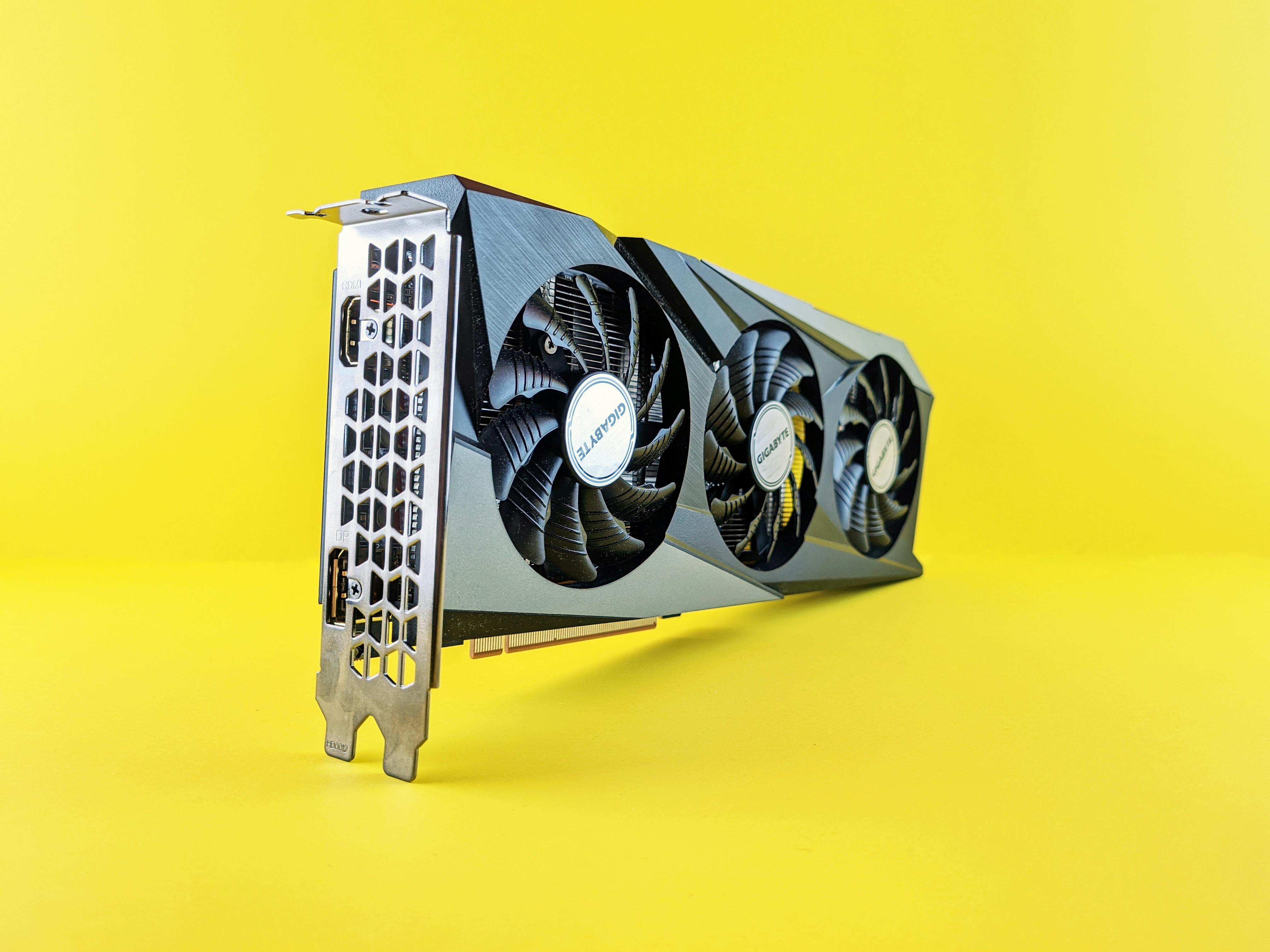
Selecting the right enterprise hardware acceleration platform transforms how modern organizations process complex digital workloads. Evaluating memory management capabilities, automated workload scheduling, and central telemetry secures infrastructure investments long term.
Deploying specialized acceleration software allows corporate facilities to maintain high-speed computational output without cloud dependencies. Centralizing hardware governance ensures computational stability and operational efficiency remain uncompromised as local infrastructure expands.
Automating driver recovery and workload distribution tasks frees internal technical teams to focus on core system development. Investing in scalable local hardware software significantly lowers cloud operational costs and reduces latency for critical business applications.
Adopting structured training programs accelerates software adoption and streamlines system management across technical business divisions. Empowering teams with premium hardware acceleration software drives technical agility, operational resilience, and sustained enterprise growth.

